

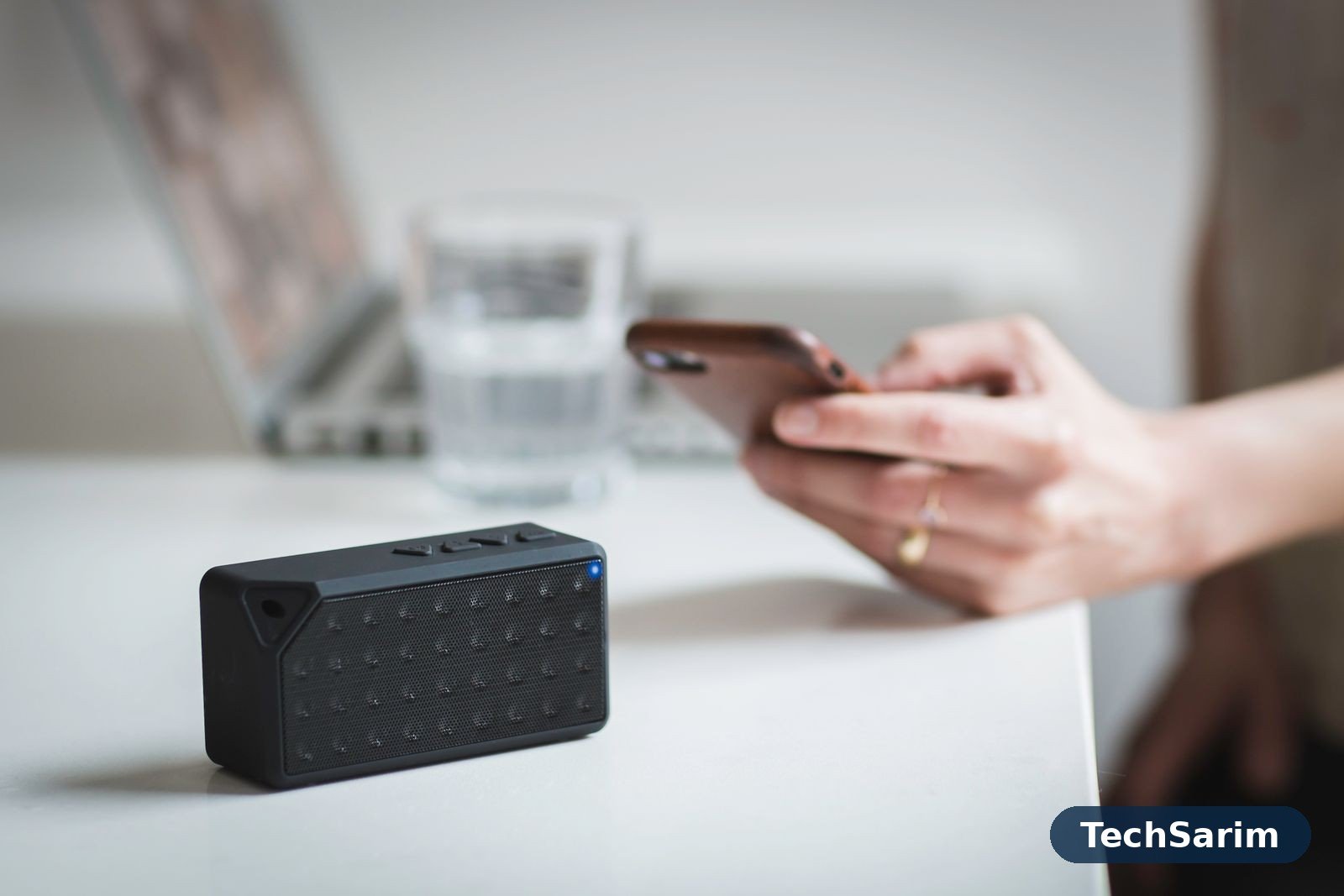
Every Bluetooth speaker advertisement makes the same promise: huge sound from a tiny box. It is a lovely promise, and it is physically impossible — which is why this guide, part of our Tech Gadgets & Product Reviews coverage, starts with the physics rather than the products. Once you understand what a speaker can and cannot do, the marketing noise falls away and choosing becomes almost embarrassingly simple: you are really just picking a size. Size decides how much air the speaker can move, and how much air it can move decides how loud it plays and how much bass it makes. Everything else — waterproofing, battery life, pairing tricks — is a feature layered on top of that one decision.
So this roundup is organised by size class, not by brand. Within each class we will tell you honestly which kind of speaker earns its money (the JBL-style rugged cylinder, the Bose-style polished all-rounder, the Anker Soundcore-style value pick, the Ultimate Ears-style floating party tube), who should skip the class entirely, and what the spec sheet is quietly not telling you. No invented prices, no fake wattage contests — just the verdicts, the trade-offs, and the traps.
First, the physics: why small speakers can’t cheat
A loudspeaker makes sound by moving air, and bass is simply moving a lot of air, slowly. As the Wikipedia overview of how loudspeakers work explains, low frequencies need large driver excursions — the cone has to travel a long way — and that requires both a big enough driver and a cabinet with enough internal volume for the driver to work against. A pocket speaker has neither. Its drivers are the size of coins and its cabinet is the size of a fist, so the deep bass notes in your music are not quiet or weak; they are physically absent. No equaliser app and no “bass boost” button changes that, because you cannot boost a frequency the hardware never reproduced in the first place.
What small speakers do instead is cheat perceptually. They emphasise the upper bass and lower midrange — the frequencies just above true bass — because your brain will partially reconstruct the missing fundamental note from its harmonics. It is a clever trick and, at desk distance, it can sound surprisingly full. But it collapses outdoors or at volume, where the little driver runs out of travel and the sound turns thin, strained and shouty. This is why the same speaker that sounds rich on your kitchen counter sounds like a phone in a pint glass at a picnic.
Loudness follows the same law. Perceived volume roughly doubles with every 10 decibels, and getting those decibels takes power and driver area. A pocket speaker is built for one or two listeners within a few metres. An everyday portable can fill a room or a small garden gathering. To genuinely fill a large space or an outdoor party you need the big class — not because manufacturers ration volume by price, but because physics charges for it in size and weight. Choose the class for the largest space you will realistically use, and every other decision gets easier.
The picks at a glance
| Size class | Best for | Typical battery shape | Waterproofing to expect | Honest verdict |
|---|---|---|---|---|
| Pocket / ultra-portable | Travel, shower, bike rides, one listener | Roughly half a day of listening | Often genuinely high (IP67 class) | Buy for portability, never for sound quality |
| Everyday portable | Most people: home + garden + trips | A full day or more at moderate volume | Usually strong (IP67 common) | The sweet spot — start here unless you know otherwise |
| Party / large | Big rooms, outdoor gatherings, bass lovers | Several hours at high volume, all day at low | Varies; check, don’t assume | Only worth it if you host; overkill for a bedroom |
| Home-first | One room, permanently placed, style matters | Plugged in or very long battery | Usually none — keep it dry | Best sound per unit of hassle if it never travels |
Pocket and ultra-portable speakers: honest about being small
The pocket class — speakers roughly the size of a tennis ball or a fat sunglasses case — exists for one reason: to be there. It clips to a backpack, rides in a jacket pocket, hangs from a shower head. Judged as a travel companion, the best of them are excellent. Judged as speakers, they are all compromised, and any review that calls one “room-filling” is lying to you.
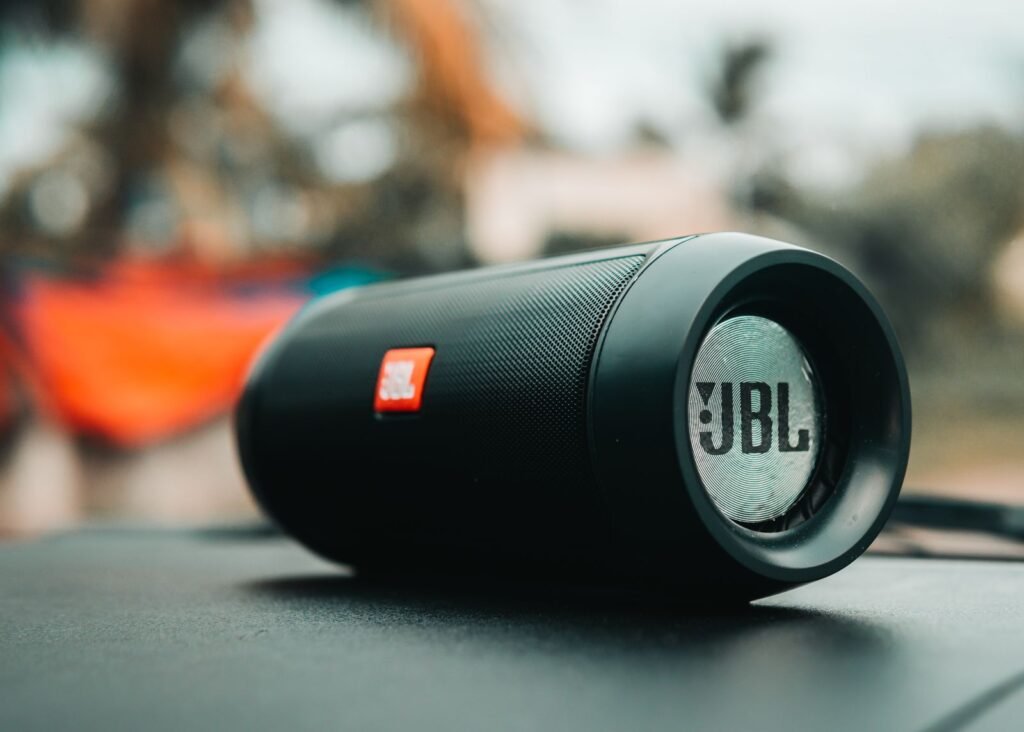
Within the class, the differences are about toughness and manners rather than tone. The UE-style Wonderboom class is the cheerful benchmark: genuinely waterproof, buoyant enough to survive a dunking, and tuned loud-and-clear so voices and podcasts cut through outdoor noise. The JBL-style Clip class adds the carabiner that turns out to be the feature owners actually use daily, hanging the speaker from bags, belts and tent poles. Bose’s smallest offering polishes the sound a notch for near-field listening but typically asks a premium for it, and Anker’s Soundcore pocket models undercut everyone while sounding perfectly acceptable at arm’s length.
Our honest verdict: if you travel light, hike, cycle or want music in the shower, this class is a delight and you should buy on waterproofing, attachment options and battery — in that order. If you mostly listen at home, skip the class entirely. The same money buys an everyday portable that sounds twice as big, because it is.
Everyday portable speakers: the sweet spot for almost everyone
This is the class most people should buy: speakers around the size of a drinks can or a small water bottle, light enough to carry room to room or throw in a bag, substantial enough to make music sound like music. They get the physics trade-off right — drivers large enough for real lower midrange, cabinets with enough volume for believable (if not deep) bass, and batteries sized for a full day of ordinary listening.
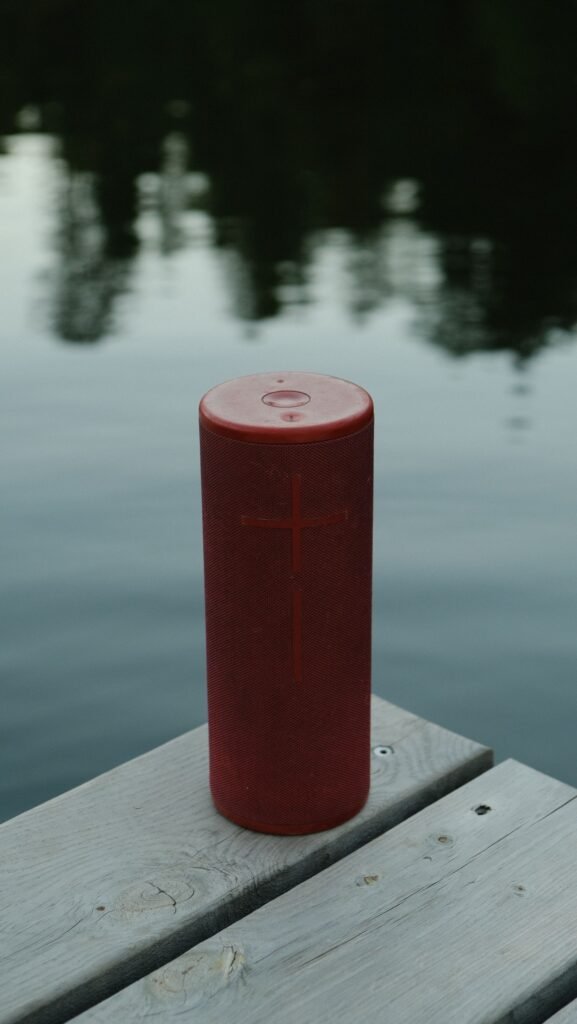
The class splits by personality. The JBL-style Flip and Charge lineage is the rugged default: punchy, forward tuning that flatters pop and electronic music, serious waterproofing, and a party-pairing ecosystem we discuss below. The Bose-style SoundLink approach counters with a smoother, more refined balance that suits acoustic music, podcasts and lower volumes — less excitement outdoors, more class indoors — usually at a higher price for the same size. Ultimate Ears’ Boom-shaped tubes fire sound in every direction, which genuinely helps when the speaker sits in the middle of a group rather than against a wall. And the Anker Soundcore models remain the value story of the class: most of the sound and features of the famous names for noticeably less money, with the compromises in app polish and long-term software support rather than in audio.
Two honest notes. First, at moderate indoor volume — where these speakers actually live — the differences between the good ones are smaller than reviews suggest, so buy on price, waterproofing and pairing features with a clear conscience. Second, this is the class where “one size larger” tempts everyone; resist unless you regularly play to a garden full of people, because you will carry the extra weight every single day for a benefit you use twice a year.
One more thing this class gets right is manners. The better models remember several devices and reconnect without a pairing ritual, survive being grabbed with wet hands thanks to proper sealed buttons, and keep their composure on a video call when the phone rings through them. None of that photographs well, and all of it decides whether a speaker is loved daily or abandoned in a drawer by spring.
Party and large speakers: buy them for a job, not a dream
The big class — shoebox-sized and up, often with handles, sometimes with wheels — is where Bluetooth speakers stop being gadgets and become equipment. They exist to do a job: fill a hall, a beach or a backyard with sound that stays composed at volumes where smaller speakers distort, and deliver bass you can feel as much as hear. The physics finally works in their favour: proper woofers, real cabinet volume, and amplifiers with headroom to spare.
The JBL-style PartyBox lineage dominates this end of the market for good reason — big, confident sound, microphone and instrument inputs for the karaoke-inclined, and light effects you can thankfully switch off. Bose’s largest portables aim at the same job with a cleaner presentation. Soundcore’s big boxes again play the value card. If you host gatherings regularly, one of these is a legitimate purchase and nothing smaller will substitute, no matter what the adverts claim.
But be honest about the ownership cost. These speakers are heavy, they dominate a shelf, their headline battery figures assume moderate volume while party volume drains them in a fraction of the time, and waterproofing is inconsistent across the class — some are splash-resistant only. Buy one because you host, not because bigger felt safer in the shop. For a single room, you are paying party prices for volume you will never use and bass your neighbours will file complaints about.
Home-first speakers: Bluetooth as a bonus, not the point
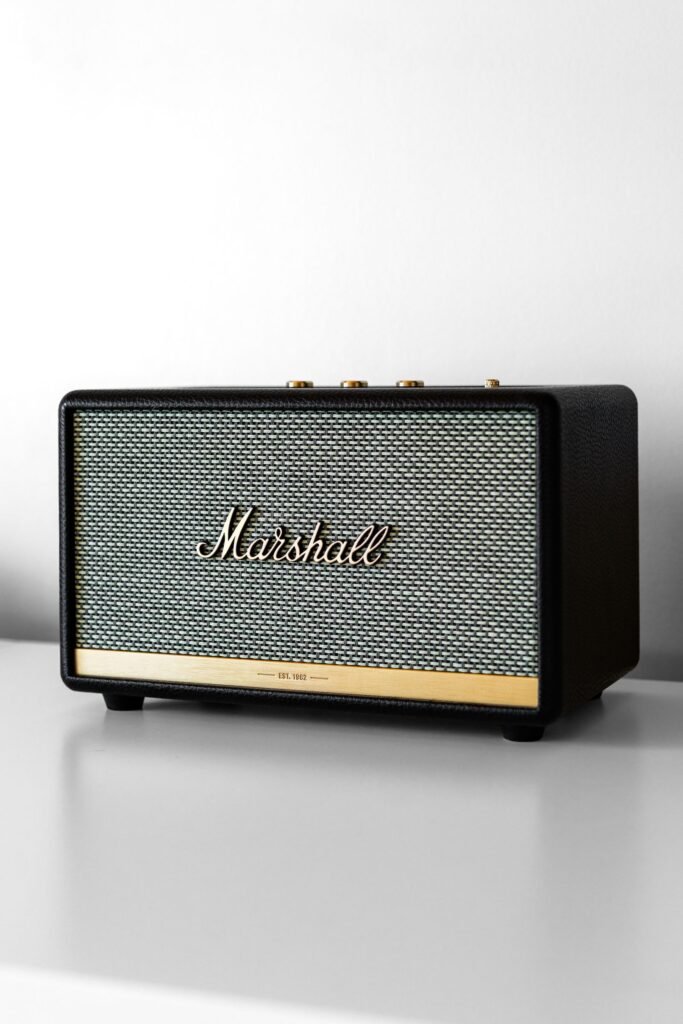
A quieter category sits at the top of the size range: speakers designed to live in one room — on a shelf, a sideboard, a kitchen counter — where they are valued as much for how they look as how they sound. The Marshall-style retro boxes are the obvious example, all woven grille and brass script, but the class also includes minimalist fabric-covered designs from several makers. Some run on batteries for occasional moves to the garden; many are mains-powered and treat Bluetooth simply as the way your phone connects, not as a promise of portability.
Because they never have to survive a backpack, these speakers spend their budget on drivers and cabinet rather than armour, and dollar for dollar they tend to produce the warmest, most room-friendly sound in this entire guide — with the permanent caveat that the room does the other half of the work. Placement a metre from corners, on something solid, transforms them.
The honest warnings are different here. Waterproofing is usually absent entirely, so the kitchen unit should stay away from the sink. Some models are Bluetooth-only with no Wi-Fi or multiroom path, which is fine until you want two rooms playing together. And because they are furniture, buy with your eyes open: you will look at this object every day for years, so a design you love is a genuine feature, not vanity.
Waterproofing decoded: what IP ratings really promise
No spec is more abused in speaker marketing than waterproofing, so let us decode it properly. IP codes have two digits: the first rates dust protection, the second rates water. An X means that category was not tested at all. So:
- IPX7 means the speaker survived immersion in about a metre of water for about half an hour. It says nothing official about dust — though a sealed unit is usually fine — and it does not mean you should swim with it daily.
- IP67 means the same immersion rating (the 7) plus the highest dust rating (the 6): dust-tight. For a speaker that lives outdoors, at the beach or by a pool, this is the rating to look for.
- IPX5 / IP55 and below means splash and rain resistance only. Fine for a bathroom shelf or a sudden shower of rain; not fine for a dunking.
- “Waterproof” with no IP code at all means the marketing department wrote the spec sheet. Treat the speaker as not waterproof, because the testing lab apparently did.
Three honest caveats follow. First, ratings are measured in clean, still, fresh water in a lab; salt water, chlorinated pools, hot showers and pressurised jets are all harder on seals, and manufacturers’ small print quietly excludes most of them. Rinse a beach speaker in fresh water afterwards. Second, a speaker can be waterproof and still sound muffled until its grille dries — water sitting in the mesh is the usual culprit, not damage. Third, the rating dies with the cabinet: a cracked housing or a perished port cover ends the warranty of physics, whatever the box said. The rugged classes earn their keep here, but no rating makes a speaker immortal.
Battery claims, honestly translated
Every speaker box shouts a battery number — 12 hours, 20 hours, 24 hours — and every one of those numbers was measured the same flattering way: at moderate volume, often around half, playing undemanding material. Volume is the battery’s enemy because power demand does not grow politely; pushing a speaker from comfortable to loud can halve its real-world endurance, and heavy bass content makes it worse. A “20-hour” speaker used as a garden party machine at high volume may give you a long afternoon, not a weekend.
Translation rules we use: expect roughly the claimed figure for background listening at home, around two-thirds of it for mixed everyday use, and half or less at party volume. Also remember that battery capacity fades with age — after a few years of charge cycles, any of these speakers will hold noticeably less than it did new, and on most models the battery is not user-replaceable. That sealed design is the price of waterproofing, but it means a heavily used portable speaker is a product with a lifespan. Features that earn their place: USB-C charging (so the phone cable you already carry works — and your phone, even a thrifty one from our guide to the best budget smartphones in 2026, speaks the same charging language), a battery indicator you can actually check, and on the bigger models, the ability to charge your phone from the speaker in a pinch.
Stereo pairing and ecosystems: the lock-in nobody warns you about
Almost every brand now offers some version of the same trick: buy two of our speakers and they will play as a stereo pair, or link a whole chain of them for a party. It works, it sounds genuinely better — true stereo separation beats any single box at any price — and it is the most effective lock-in in consumer audio. JBL’s speakers pair with JBL’s, UE’s with UE’s, Bose’s with Bose’s, and none of them pair with each other. The compatibility often does not even span a brand’s own generations, so last year’s bargain may refuse to pair with this year’s model.
Go in with open eyes. If you think you will ever want stereo or a second speaker for another room, buy into the ecosystem deliberately: choose the brand whose range you like at several sizes, and check that the exact models you want share the same pairing system. If you are certain one speaker is all you will ever own, ignore pairing entirely and spend the money on the single best box. The worst outcome — and we see it constantly — is two incompatible speakers from two sales, each bought as “the one”, neither able to play with the other. The same advice applies across your audio gear generally; it is exactly the ecosystem trade-off we flagged in our roundup of the best wireless earbuds in 2026.
Bluetooth versions and codecs, briefly
Buyers agonise over Bluetooth versions, and for speakers it is mostly a distraction. The Bluetooth SIG’s own technology overview describes steady improvements in range, stability and power efficiency across recent versions, and a speaker on a recent version will hold its connection further across a house and sip battery more gently. That is worth having, but it does not change sound quality in any way you can hear.
Codecs are the other half of the worry. The standard SBC codec that every speaker supports is audibly fine for a portable speaker in a real room. AAC can help slightly with Apple devices; the higher-resolution codecs found on a few premium speakers are throttled by the speaker’s own drivers long before the codec becomes the weak link — remember the physics section. Far more important in daily life: multipoint connection (two devices paired at once, so the speaker can take a call from your phone while connected to your laptop), a honest stated range, and an aux input on home models for the turntable, TV or guest with an ancient device. Spend your attention there, not on codec logos.
Buying mistakes we see again and again
Buying by wattage. There is no honest, standard way the industry quotes speaker wattage, and the numbers on boxes — especially at the budget end — range from meaningless to fictional. A well-designed speaker with a modest honest rating will embarrass a “100W!!!” no-name box. Ignore wattage completely; buy by size class and brand track record instead.
Buying the size below the job. The single most common regret is the pocket speaker bought for garden parties. It will spend its life at maximum volume, distorting, draining its battery and disappointing everyone, when one step up in class would have cruised. Buy for the biggest regular job.
Paying for a voice assistant in a speaker. Built-in assistants add cost, microphones and privacy questions to a device whose job is playing music — and your phone already has the assistant. Unless you specifically want a smart speaker, let the speaker be a speaker.
Trusting the word “waterproof” alone. As decoded above: no IP code, no waterproofing. And even with a code, check whether the rating survived the fine print about salt and chlorine before the beach trip.
Forgetting the second purchase. If stereo pairing might ever matter, your first speaker chooses your second. Buy the ecosystem, not just the box.
Frequently asked questions
What size Bluetooth speaker should I buy?
For most people, the everyday portable class. It is the smallest size that still sounds like real music, it travels without complaint, and it fills a room or a small garden gathering. Go smaller only if portability is the whole point; go bigger only if you regularly play to crowds.
Is IP67 really better than IPX7?
For outdoor speakers, yes, slightly: the 6 certifies dust-tightness, the 7 in both codes certifies the same immersion survival. An IPX7 speaker is untested for dust rather than necessarily vulnerable, but for beach and garden life, IP67 is the safer box to tick.
Why does my speaker’s battery last half the advertised time?
Because the advertised time was measured at moderate volume. Loud playback — especially loud, bass-heavy playback outdoors — can easily halve it. You are not necessarily looking at a faulty unit; you are looking at physics again.
Can I pair two speakers from different brands in stereo?
Almost never. Pairing systems are proprietary to each brand and often to each generation. Cross-brand stereo over Bluetooth is not a standard feature, so plan your ecosystem before the first purchase.
Does a more expensive speaker always sound better?
Within a size class, money buys refinement — smoother tuning, better apps, nicer materials, stronger support — with clearly diminishing returns. Across classes, size beats price: a modest big speaker outperforms a premium tiny one on loudness and bass every single time.
Should I buy a speaker with Wi-Fi as well as Bluetooth?
If it will live at home and you might grow into multiroom audio, Wi-Fi is a real upgrade and worth paying for. If the speaker will travel, Wi-Fi adds cost and setup friction you will never use — Bluetooth alone is the honest spec.
The bottom line
Choose the class before the brand, and let the biggest regular job decide the class: pocket for travellers and shower singers (UE-style toughness or the JBL-style clip-on, and no illusions about bass), everyday portable for nearly everyone else (JBL-style punch, Bose-style polish, UE-style 360° spread or Soundcore-style value — buy on price and waterproofing), party class only if you host (and accept the weight and the real battery maths), and home-first if the speaker will live its life on one shelf, where it will quietly out-sound everything portable at the same money. Check the IP code rather than the adjective, halve the battery claim if you play loud, and remember that your first speaker chooses your second through its pairing ecosystem. Do those things and there is barely a bad buy left in the category — just the right size, honestly chosen. For more straightforward verdicts like these across phones, audio and everyday tech, start at TechSarim and browse the categories that match your next purchase.