


“Budget phone” used to be an apology: a dim screen, a camera that gave up after sunset, and software that felt old the day you unboxed it. That is no longer the deal on offer. The modern smartphone market has a fiercely fought middle, and in 2026 the phones in it carry the same OLED displays, the same headline battery sizes and increasingly the same AI features as flagships costing three times as much. What you give up at this price is real but specific — and this guide exists to name exactly what it is, phone class by phone class, so you can give it up knowingly rather than discover it in month two.
This is the first guide in our Smartphones & Mobile Technology coverage, and it starts where most buyers actually live. Below: what “budget” honestly means now and where the price bands sit, the five things worth prioritising (and the spec-sheet numbers that are mostly theatre), our picks by job — best overall, best camera, best battery, best for gaming, longest support, best design — a comparison table, the buying mistakes that waste real money, and a bottom line for each kind of buyer. No invented prices and no benchmark worship: figures are given as the ranges these phones typically sell and perform in, because street prices move and honesty lasts longer.
What “budget” means in 2026: three bands, three different phones
The word covers a wider range than it used to, and the bands behave like different products, so it is worth fixing them before any recommendations:
- True budget (typically under $150–$200). The essentials done adequately: a large screen (often LCD, sometimes now OLED at the top of the band), a battery that lasts the day and beyond, a camera that is fine in daylight, and a processor that handles messaging, browsing, video and light apps without drama. Software support is the weak point here — expect a shorter update promise and buy accordingly.
- The sweet spot (typically $200–$300). Where the value curve peaks. This band usually adds a genuinely good 90–120Hz OLED display, a capable main camera with optical stabilisation appearing more often, faster charging, 5G as standard, and — critically — update pledges stretching to four or more years from the bigger brands. For most people, this is the band to buy in.
- Near-flagship (typically $300–$450). Yesterday’s flagship experience at half its launch price: brighter displays, stronger processors that game properly, better secondary cameras, wireless charging occasionally, and the longest support windows outside the flagship tier itself. Worth it if you keep a phone four-plus years; overkill if you upgrade every two.
One structural truth applies across all three: the gap between bands is now mostly about polish and longevity, not basic competence. A sweet-spot phone in 2026 is not a compromise you endure; it is a good phone you keep. The picks below are organised by the job you need done, because at this price the best phone is the one whose strengths match your actual day.
What to prioritise (and what to ignore on the spec sheet)
Budget marketing counts things that are easy to count. Your money should follow the things you will actually feel, in this order:
1. The update policy — the most underrated spec in the class. A phone is software with a screen attached. The length of the maker’s Android-version and security-update pledge decides whether your phone is safe and current in year three or abandonware in year two. The leaders in this class now typically promise four to seven years of security updates on their mid-range lines; the laggards still offer two. Before comparing anything else, check the pledge for the exact model — and verify the full specification before you buy on a database like GSMArena, because storage variants, charging speeds and even display types differ by region under the same model name.
2. The display. You look at it for hours a day; it is the phone. At the sweet spot and above, expect an OLED panel with at least a 90–120Hz refresh rate and brightness that stays readable outdoors (typically quoted around 1,000 nits peak or more in this class now). An LCD phone can still be a fine buy at true-budget prices, but at $250-plus, OLED should be your default expectation.
3. Battery size and charging speed. Most phones in this class carry roughly a 5,000 mAh cell, which in real use typically means a full day for heavy users and a comfortable day-and-a-half for everyone else. The differentiator is charging: 25W is fine, 45W and above is a quality-of-life feature (a short top-up while you shower), and the fastest Chinese-brand chargers in this class fill most of the battery in well under an hour. Note the trap: some brands have quietly stopped including the charger in the box — budget for one if so.
4. Camera realism. Ignore the megapixel count and the number of lenses; in this class there is one camera that matters — the main one — plus a selfie camera, and the ultra-wide and “macro” lenses on many spec sheets are decoration. What actually decides photo quality is the sensor size, optical stabilisation (present on the better sweet-spot models), and above all the maker’s image processing. That is why the camera pick below is a phone with unremarkable hardware and remarkable software.
5. Processor, RAM and storage — enough is a number. For everyday use, any current mid-range chip with 6–8GB of RAM feels fast, and the difference between adjacent processors is invisible outside games and benchmarks. Storage matters more: 128GB is the sensible minimum now, 256GB is worth a small premium, and a microSD slot — still offered by some lines in this class — is the cheapest storage upgrade in the industry. If you game, this item jumps to first place; see the gaming pick.
What to ignore: headline megapixels, “AI camera” feature lists (every phone claims them; results vary wildly), 5G band-count bragging (coverage where you live matters, not the count), and benchmark scores quoted without context. Also ignore last year’s flagship unless its update window still has years to run — an old flagship and a new mid-ranger at the same price are very different three-year prospects.
The budget picks at a glance
| Pick | Phone class | Why it wins | Typical band | Watch out for |
|---|---|---|---|---|
| Best overall | Samsung Galaxy A-series (A3x/A5x class) | Balance: display, updates, availability, resale | Sweet spot to near-flagship | Charger often sold separately; not the fastest chip |
| Best camera | Google Pixel a-series | Computational photography that beats its price | Sweet spot to near-flagship | Battery life merely good; charging on the slower side |
| Best battery | Motorola Moto G / big-battery Redmi models | Two-day stamina, clean or simple software | True budget to sweet spot | Update pledges shorter than Samsung/Google |
| Best for gaming | Xiaomi / Redmi performance models | Strongest processors per dollar in the class | Sweet spot | Software has ads/clutter in some regions; camera is secondary |
| Longest support | Pixel a-series & Galaxy A-series | Update pledges stretching toward flagship terms | Sweet spot and up | The pledge applies to specific models — verify yours |
| Best design | Nothing Phone (a) series | Distinctive look, clean software, no bloat | Sweet spot to near-flagship | Availability varies by region; camera good, not best |
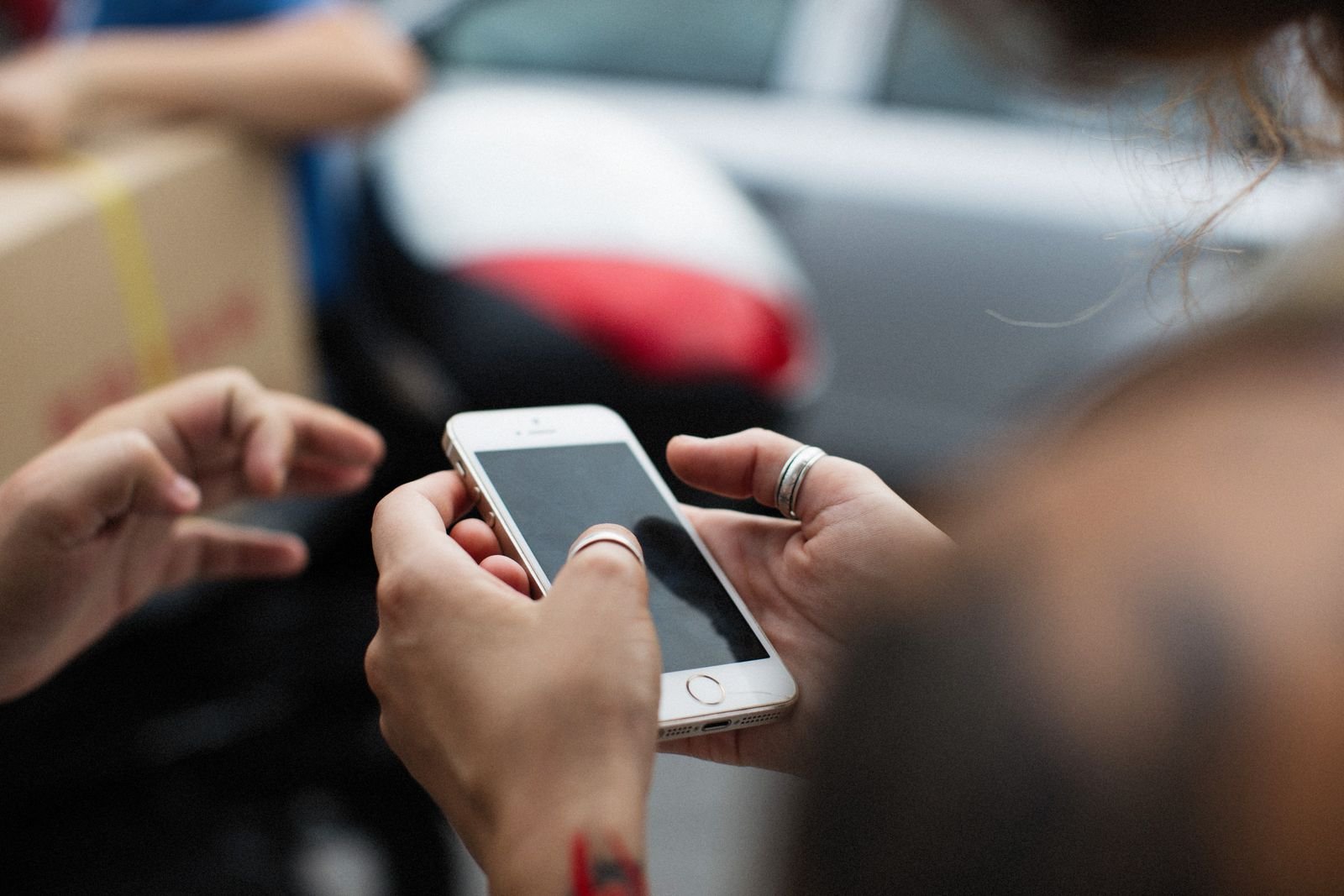
Best overall: Samsung Galaxy A-series
If you want one recommendation with the fewest caveats, it is Samsung’s A-series in its A3x/A5x class. The formula is balance executed relentlessly: a bright 120Hz OLED display, a reliable main camera with stabilisation on the upper models, a battery that comfortably clears a day, water resistance appearing in a class that used to skip it, and availability through practically every carrier and retailer on earth — which means cases, repairs and resale are all easy mode. Samsung has also dragged its update policy down-market in a way that changes the maths: recent A-series models typically carry pledges of up to six years of security updates, flagship territory, and that single fact makes an A-series phone the default three-to-five-year buy.
The honest caveats: Samsung’s mid-range processors prioritise efficiency over raw speed, so committed gamers should look at the Xiaomi pick below; One UI is feature-rich to the point of occasional duplication (two app stores, two assistants); and the box increasingly contains a cable and no charger. None of that dethrones it as the all-rounder — it is the phone to buy when you do not want to think about phones again for years.
Best camera on a budget: Google Pixel a-series
The Pixel a-series is the standing disproof of camera spec-sheet logic. Its main sensor is typically mid-sized and its lens count low, and it takes the best photos in the class anyway — sometimes rivalling flagships — because Google’s computational photography (the HDR processing, Night Sight and colour science refined over a decade of Pixels) extracts more from modest hardware than rivals extract from bigger sensors. Skin tones, tricky mixed lighting, the quick unposed shot of a moving child or dog: this is the budget camera that most often comes home with the keeper.
You also get Google’s clean Android, its AI features first (call screening, transcription, the smartest photo-editing tricks), and an update pledge that typically matches Google’s flagship terms — the a-series has historically been first in line, not last. The trade-offs are consistent across generations: battery life that is good rather than great, charging speeds on the slower side of the class, a processor tuned for intelligence over gaming muscle, and availability that is narrower than Samsung’s in some regions. If your phone is your camera, accept those terms gladly — nothing else at this price shoots like it.

Best battery: Motorola Moto G and the big-battery Redmi models
For the buyer whose first question is “will it last the weekend?”, two lines share the crown. Motorola’s Moto G family pairs batteries at the generous end of the class (typically around 5,000 mAh, with some models going larger) with near-stock Android that sips rather than gulps, producing the honest two-day phone for moderate users — and Moto’s prices at the true-budget band are aggressively low during the sales that seem to run most of the year. The software is the other half of the appeal: clean, uncluttered, close to Google’s own. The cost of the bargain is support: Moto’s update pledges in this class are typically shorter than Samsung’s or Google’s, so buy the G for the next two-to-three years, not five.
Xiaomi’s Redmi line (particularly its Note-class models) answers the same question from the other direction: big battery plus very fast charging, so even when the phone does run low, a short plug-in restores most of a day. Redmi also tends to pack the most hardware per dollar across the board — display, storage, camera count. The watch-outs are software-related: Xiaomi’s interface is heavier, and in some regions budget models ship with pre-installed apps and promotional clutter that takes ten minutes to clean. If you will do that ten minutes, Redmi’s stamina-and-speed combination is hard to beat at the price.
Best for gaming on a budget: Xiaomi / Redmi performance models
Gaming is the one job where processor differences stop being invisible. Sustained frame rates in titles like Genshin Impact or Call of Duty: Mobile depend on the chip, its cooling, and a high-refresh display — and in this class, Xiaomi and its Redmi sub-line consistently put the strongest processors into the cheapest phones, sometimes fielding near-flagship silicon a full band below its usual price. Pair that with typically 120Hz displays and large batteries, and you have the budget gaming formula: performance first, everything else second.
Manage expectations honestly: you are buying smooth play at medium-to-high settings, not the maxed-out, highest-refresh experience of a dedicated gaming phone, and long sessions will warm the phone and throttle it somewhat — a slim case or a cheap clip-on fan genuinely helps. The cameras on these performance models are usually a step behind the Pixel/Samsung picks, and the software caveats from the battery section apply. But per dollar of frame rate, nothing else in this guide is close.
Longest software support: Pixel a-series and Galaxy A-series (and why it decides ties)
Because it is the spec that determines how long everything else stays safe and useful, support deserves its own verdict. In 2026 the budget class splits cleanly: Google and Samsung have pushed multi-year pledges — typically four or more Android versions and five-to-seven years of security patches on their current mid-range lines — down into the sweet-spot band, while much of the rest of the class still promises roughly two to three years. That gap compounds: a Pixel a or Galaxy A bought today is still receiving security updates when a same-price rival has been unsupported for years.
Two honest qualifications. First, pledges attach to specific models and launch dates, not brands in the abstract — the exact phone you are holding needs its pledge checked (the GSMArena link earlier is the quick way). Second, a long pledge matters in proportion to how long you keep phones: upgrade every eighteen months and it is trivia; keep a phone four years and it is the whole decision. For students and family buyers especially, support length is the difference between a bargain and a false economy — our guide to the best AI tools for students makes the same point about free tiers, and it is the same discipline: the cheap option that lasts beats the cheap option that doesn’t.
Best design: Nothing Phone (a) series
The Nothing Phone (a) series is the pick for buyers who look at a wall of identical black slabs and feel nothing. Nothing’s transparent-back design and Glyph light interface (a pattern of LED strips that act as visual notifications and ringtones you can see) make its phones the only ones in the class strangers ask about, and its software is the other half of the appeal: a clean, fast, near-stock Android with a distinctive dot-matrix style and — notably at this price — no advertising clutter. Specs sit squarely in the sweet spot: good OLED, capable processor, decent cameras.
The caveats are practical: Nothing is a young, smaller company, so retail availability and repair networks vary more by region than Samsung’s or Motorola’s, and its cameras, while good, sit a step below the Pixel’s. Buy it because you value design and clean software daily for years — a perfectly rational reason that spec tables cannot measure.
Buying mistakes that waste real money
- Buying last year’s flagship at this year’s mid-range price — without checking its remaining update window. Two years of support left is not a bargain at any spec.
- Paying for 512GB when a microSD slot or a modest cloud plan covers your photos, or paying the brand premium for a storage step that costs the maker very little. Storage mark-ups are where budget phones stop being budget.
- Choosing by megapixels. A 200MP badge on a small sensor with weak processing loses, in real photos, to the Pixel a’s modest hardware every week of the year.
- Ignoring your carrier’s bands on an imported or grey-market bargain. The cheapest Redmi or Xiaomi variant may lack the 5G/LTE bands your network uses — check the exact model’s band list before ordering.
- Skipping the case-and-charger arithmetic. No charger in the box, glass back, curved screen: add the real accessories to the sticker price and some “bargains” quietly change bands.
- Buying the brand-new model at launch when its predecessor — often 90% of the phone — is being cleared at 30–40% less with most of its update window intact. Budget phones drop in price fast; patience is a feature.
- Setting the phone up carelessly. The most expensive mistake is the free one: weak, reused passwords on the accounts a new phone signs you into. While you set up, use the free tools on our TechSarim homepage — including a password generator — to do it properly once.

Your new phone is an AI device — set it up like one
One genuinely new thing about the 2026 budget class: every phone above ships with serious AI features built in — photo editing that removes photobombers, call screening, live translation, and a full AI assistant a long-press away. These are no longer flagship exclusives, and they are only as good as your prompting: the assistant that summarises your emails and drafts your messages responds to exactly the skills in our beginner guide on how to use ChatGPT — clear role, task, context and format. Ten minutes learning that method will improve your new phone more than the next model up would have.
Frequently asked questions
How much should I actually spend on a budget phone in 2026?
For most people, the sweet spot — typically $200–$300 — is the answer: it buys the OLED display, the good camera and the long update pledge that make a phone pleasant for three-plus years. Spend less if your needs are calls, messaging and video; spend toward $400 only if you game seriously or keep phones for four-plus years.
Is a budget phone good enough for photography?
For the photos most people take — family, travel, food, pets, social posts — yes, and the Pixel a-series in particular will beat older flagships. You give up the best zoom and the most consistent very-low-light performance; if those two things are your photography, that is what flagship money buys.
How long will a budget phone last?
Physically, three to five years is normal now; the deciding factor is software. Choose a model with a long update pledge (Galaxy A, Pixel a) and the honest answer is four-plus years. Choose on price alone with a two-year pledge and the phone will feel — and be — old before its battery does.
Android or iPhone at this price?
Apple does not really sell in this band new; its entry phone typically sits above the sweet spot, and the realistic Apple route is a refurbished older iPhone. If you are set on iOS and your budget is fixed, a refurbished model with several update years left is a legitimate buy — otherwise, this entire guide is the Android market doing what it does best.
Should I buy refurbished instead?
A manufacturer-refurbished phone with a warranty and a healthy remaining update window can be the smartest money in this whole article — particularly last year’s near-flagships. Apply the same rules: check the update pledge’s remaining years, the battery health guarantee, and who honours the warranty.
Do I need 5G on a budget phone?
In 2026 essentially every phone in the sweet spot and most at true-budget include it, so the question answers itself — but do check that the specific variant you are buying carries your carrier’s bands, especially on imported models.
The bottom line
The best budget smartphones of 2026 are not cut-down flagships; they are a mature class with its own champions. Buy the Samsung Galaxy A-series if you want the safest all-round answer that will still be updated in five years. Buy the Google Pixel a-series if the camera is the point — its photos embarrass phones twice the price. Buy a Moto G or a big-battery Redmi if stamina rules your life, a Redmi performance model if frames per dollar is your metric, and the Nothing Phone (a) if you want the one budget phone with genuine character. Check the update pledge, verify the exact model’s spec sheet, skip the storage upsell, and wait for the inevitable sale — and the phone you buy for a third of a flagship’s price will not feel like a third of a phone. We will keep this guide and the rest of our Smartphones coverage updated as the class moves, because in this segment it moves fast — and the value keeps getting better.
[…] real life, and software support measured in years rather than months. Our wider guide to the best budget smartphones of 2026 maps the whole budget landscape from under $150 to near-flagship money; this article goes deeper […]
[…] of the flagship class, and for the same reason it topped the camera section of our guide to the best budget smartphones of 2026: Google’s photography advantage lives in software, and software is cheap to ship down-market. […]
[…] down to cheap phones years before Apple adopted some of them, and it is why our guide to the best budget smartphones of 2026 is an Android-only list in practice: at sensible money, Android isn’t the compromise, […]
[…] to clean up on day one, and update promises measured in fewer years. Our broader roundup of the best budget smartphones of 2026 applies the same discipline — check the update pledge, check the exact variant, and the value is […]