

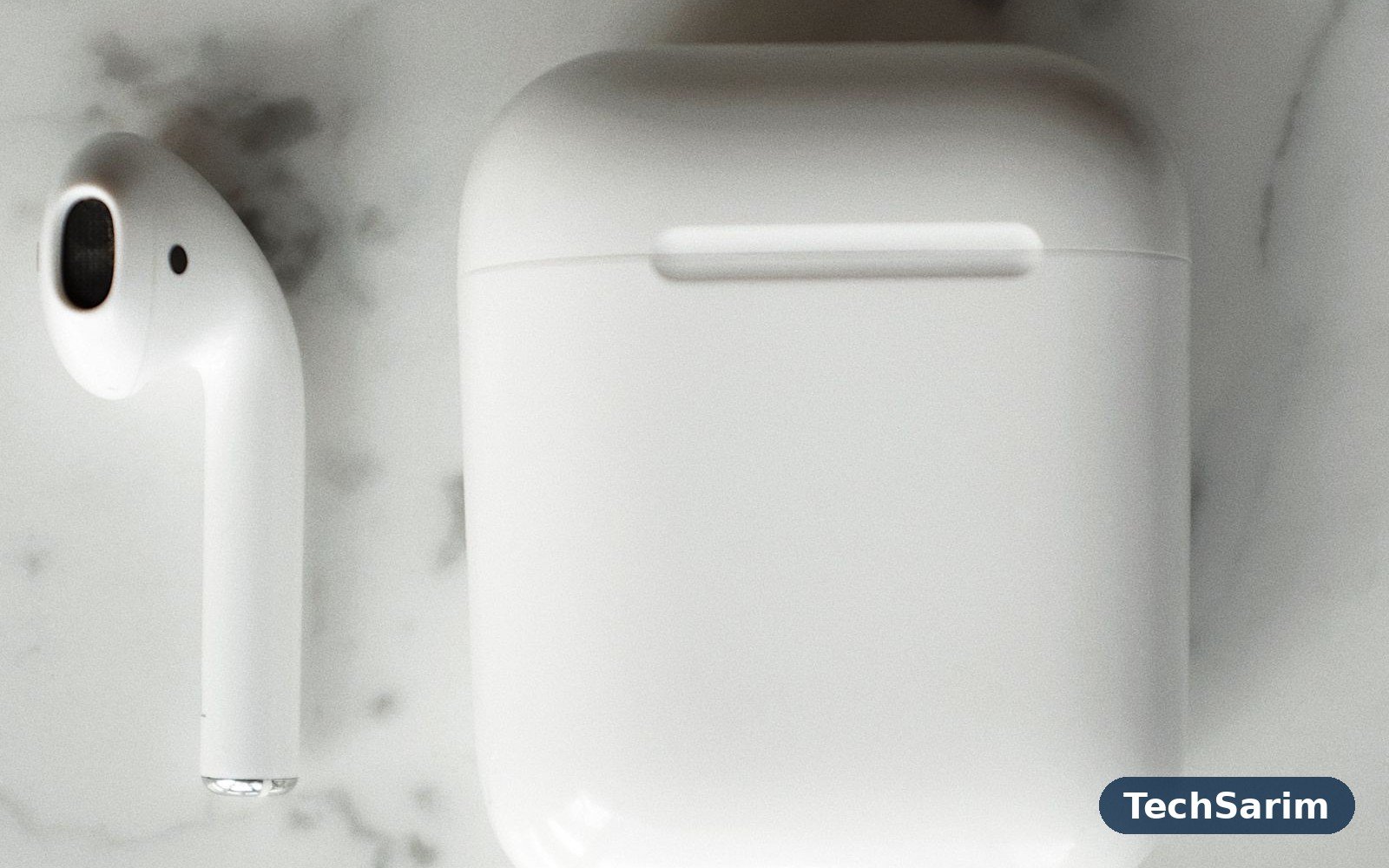
Wireless earbuds are the most personal gadget most of us own. They sit inside your ears for hours, they are the microphone the rest of the world hears you through, and they are replaced — lost down sofa cushions, left in jeans pockets, drowned in washing machines — more often than almost any other piece of tech. That combination makes the “best wireless earbuds” question harder than it looks. The best pair on paper, with the longest feature list, is worthless if it works its way loose every time you turn your head. The best-sounding pair is a bad buy if its microphones make you sound like you are calling from inside a tunnel.
This guide, part of our Tech Gadgets & Product Reviews coverage, ranks the classes of earbuds rather than pretending there is one winner. First, what actually matters — fit, noise cancelling, sound, calls, battery, codecs and water resistance — explained plainly, including the parts marketing would rather you skipped. Then the picks by class: the iPhone default, the Galaxy default, the flagship noise-cancellers, the budget class that has become genuinely good, and the sport designs built to stay in. Prices are described in bands rather than figures, because earbud pricing moves constantly and a recommendation that depends on this week’s discount is not a recommendation at all.
One framing note before the table. Almost every pair worth buying in 2026 is a pair of earphones connected by Bluetooth, with no wire between the buds at all — “true wireless” is now simply the default. The meaningful differences are no longer about whether they work. They are about whose ears they fit, whose phone they flatter, and which compromises the maker chose.
The picks at a glance
| Class | Best for | Noise cancelling | Battery shape | Price band | Watch out for |
|---|---|---|---|---|---|
| Apple AirPods-class | iPhone owners who want zero friction | Strong on the Pro tier; basic on the entry tier | A day of listening from the buds, several recharges in the case | Mid to flagship | Several headline features simply do not exist on Android |
| Samsung Galaxy Buds-class | Galaxy phone owners | Strong, and tightly integrated with Galaxy settings | All-day with the case; quick top-ups | Mid to flagship | Best codec and some features are Galaxy-only |
| Sony WF-class flagship ANC | Commuters and frequent flyers who want maximum quiet | Among the strongest available anywhere | Long days with the case; wireless charging on top tiers | Flagship | Case is larger; app offers so many options it can overwhelm |
| Budget class | Anyone who loses earbuds, students, second pairs | Present on many models now, but milder | Often the longest raw battery of any class | Budget | Call quality and build are where the savings show |
| Sport and secure-fit class | Runners, gym users, anyone whose buds fall out | Varies — some deliberately let sound in | All-day with the case; ruggedised cases | Mid | Wing and hook designs can ache after long sessions |
The table is the shopping list. The rest of this article is the reasoning — and the warnings, because earbuds are a category where the spec sheet and the experience routinely part company.
Fit comes first — the specification nobody prints
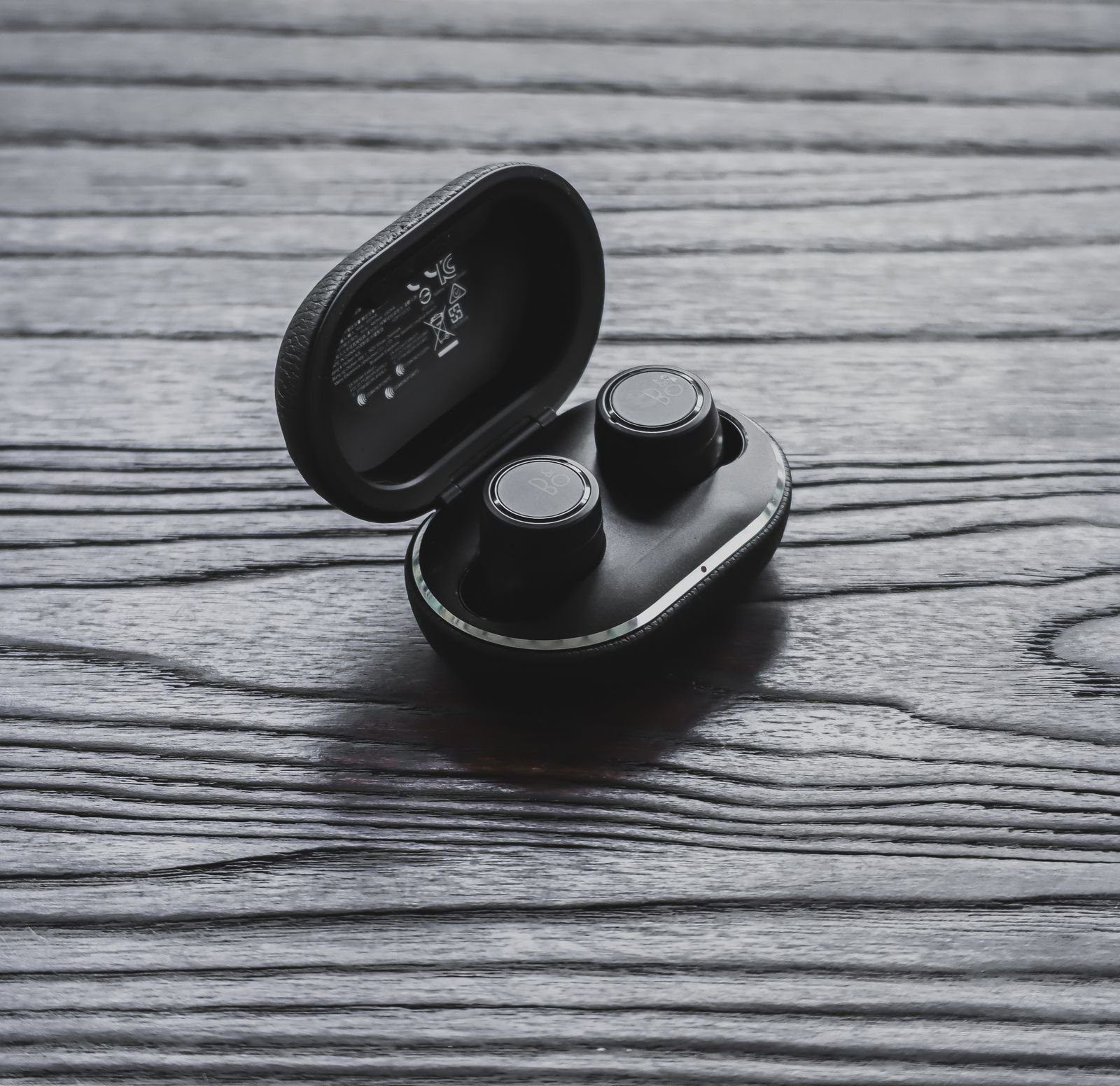
Every other judgement in this article is downstream of fit, and fit is the one thing no review can fully test for you, because your ear canals are not the reviewer’s. An earbud seals the ear canal with a silicone or foam tip, and that seal is doing three jobs at once: it holds the bud in, it is responsible for most of the bass you hear, and it is the foundation that active noise cancelling builds on. A bud with a poor seal in your ear will sound thin, cancel badly, and fall out — three failures, one cause.
Practical consequences follow. Multiple tip sizes in the box matter more than an extra microphone. If a brand offers foam tips or a fit test in its app, that is a genuine feature, not a gimmick. If you have always found in-ear buds uncomfortable, look at the semi-open designs — Apple’s standard AirPods shape is the famous example — which rest in the ear rather than sealing it. They trade away bass weight and isolation for comfort, and for podcast-and-office listening that trade is often the right one. And whatever you buy, buy it from somewhere with a sane returns policy: the only true fit test is a week of your own ears.

Noise cancelling, honestly explained
Active noise cancelling (ANC) uses microphones on the outside of the bud to listen to the world and generate an inverted copy of the sound, which cancels much of it before it reaches your ear. It is genuinely close to magic on steady, low sounds: aircraft cabins, train rumble, air conditioning, bus engines. It is far less effective on irregular, higher sounds — a colleague’s conversation, a keyboard, a barking dog — which it reduces rather than removes. No earbud makes the world silent, and any review implying otherwise is selling something.
Two honest caveats matter more than the headline strength. First, the passive seal does a large share of the work at every price: a well-sealed budget bud can block more speech than a poorly fitting flagship. Second, ANC quality is also about the transparency mode — the reverse trick that pipes the world in so you can hear traffic or a tannoy announcement. On the best models it sounds natural; on cheaper ones it sounds like listening through a seashell, and since you will use it daily, it deserves as much weight as the cancelling itself. Pressure sensation is real too: some listeners find strong ANC creates an uncomfortable “eardrum suck” feeling. If that is you, a model with adjustable ANC levels is not a luxury.
Sound signatures in plain terms
Reviewers describe sound with a private vocabulary, so here is the translation. Bass-heavy (the default tuning of most mainstream buds) means drums and basslines are pushed forward; it flatters pop, hip-hop and electronic music and makes everything feel energetic, at the cost of vocals sometimes sitting slightly behind the beat. Balanced or flat means nothing is pushed; it suits acoustic music, classical and podcasts, and can sound “boring” for the first ten minutes before it starts sounding honest. Bright means treble emphasis — detail and sparkle, and fatigue if it is overdone.
The useful truth is that in 2026, tuning matters more than hardware bragging at mainstream prices, and nearly every worthwhile pair ships with an app equaliser that lets you move the sound a long way toward your taste. A pair you can adjust beats a pair with a fixed signature you half-like. If you mostly listen to spoken word, none of this is critical — voices sit in the midrange, where even cheap buds are competent — and you should spend your money on fit and call quality instead.
Call quality: the test most reviews rush
You hear the music; everyone else hears the microphones, and they are the weakest link in almost every pair of earbuds ever made. The problem is geometry: the microphones sit by your ears, far from your mouth, in exactly the place wind rushes past. Good call quality in 2026 comes from multiple microphones plus processing that isolates your voice from the noise around it, and the differences between classes are stark. Flagship models can make a windy street call merely mediocre; budget models can make a quiet room sound oddly distant.
If calls are your main use — and for many buyers they are — weight this section heavily, and be sceptical of studio-recorded microphone demos, which are always made in favourable conditions. The honest test is a call from a moving car or a busy street. Stem designs have a small physical advantage, because the stem puts one microphone a little closer to your mouth; it is one reason the stem shape refuses to die.
Battery life and the case: read both numbers
Earbud battery claims combine two numbers that are often blurred together: how long the buds play on one charge, and how much extra the case carries. What matters day to day is the first number, because that is your longest unbroken listening stretch — on current models, typically a full work session with ANC on, and more with it off. The case total matters on trips, where two or three full recharges in a pocketable case means a long weekend without hunting for a socket.
Three battery truths the boxes omit. ANC is the biggest drain, so quoted figures “up to” a number are always measured with it off or in ideal conditions. Fast charging is now common across classes — a short stay in the case buys an hour or more of listening — and it quietly matters more than an extra hour of total capacity. And earbud batteries are consumables: after a few years of daily charging, every pair holds noticeably less, and almost none are replaceable. Budget accordingly if you keep gadgets a long time.
Codecs: SBC, AAC, aptX and LDAC without the headache
A codec is the language your phone uses to compress music for the trip through the air, and it is the most over-argued topic in earbuds. The short, honest version: SBC is the universal baseline every device supports. AAC is the one Apple devices use well, and the reason AirPods sound their best on iPhones. aptX (in its several flavours) is Qualcomm’s family, common on Android, with low-latency variants that matter for video and gaming. LDAC, from Sony, carries the most data and can sound the best with high-quality files — on Android phones that support it, at some cost to battery and connection stability at its highest settings. The new LC3 codec, part of Bluetooth LE Audio, is arriving across the industry and promises better quality at lower power; the Bluetooth SIG’s own overview of LE Audio explains where it is heading.
The verdict most listeners need: with typical streaming-service audio, the differences between AAC, aptX and LDAC are small next to fit and tuning. Codec support is a tiebreaker, not a headline — unless your phone and buds mismatch badly (an LDAC-capable bud on an iPhone still falls back to AAC), or you game, where latency is the one difference everyone can feel. Players hunting for responsive audio should treat low-latency modes as seriously as the specs in our roundup of the best phones for gaming.
IP ratings: two characters that decide if rain is a problem
Water resistance is graded with an IP code. The first character is dust; the second is water, and for earbuds you will usually see the dust figure replaced by an X (untested) — IPX4, IPX5 and so on. In plain terms: IPX2–IPX3 shrugs off a light drizzle and little more. IPX4 handles sweat and splashes — the minimum worth accepting for exercise. IPX5 survives proper sweat and rain. IPX7 can be submerged briefly, which is about surviving accidents rather than swimming; Bluetooth does not work underwater anyway. Note that the rating usually applies to the buds, not the case — a sweat-proof pair in a case that hates moisture is a common and annoying combination. Sweat is saltier and nastier than rain, so if you train seriously, treat IPX5 on the buds as your floor.
The picks by class
For iPhone owners: the AirPods-class default
Apple’s AirPods line is the default recommendation for iPhone users not because of any single specification but because of everything around the specifications: pairing that happens by opening the case near the phone, automatic switching between an iPhone, iPad and Mac, Find My tracking for the day a bud goes missing, and head-tracked spatial audio that is genuinely enjoyable for films. The Pro tier adds the strong ANC and the sealing tips; the standard tier is the semi-open, no-seal design that many people find more comfortable for long days.
The honest limitations: on Android, AirPods are reduced to being ordinary Bluetooth earbuds — the setup, firmware updates, battery display and most special features live on the Apple side of the fence, and there is no LDAC or aptX hiding underneath. Sound is good and sensibly tuned rather than class-leading. If your life is Apple-shaped, none of that matters much. If it is not, read on before spending flagship money.
For Galaxy and Android owners: the Galaxy Buds-class
Samsung’s Galaxy Buds line plays the same role for Galaxy phones that AirPods play for iPhones: instant pairing, settings integrated into the phone rather than buried in a separate app, and call and ANC quality that sits comfortably in the top tier. The designs tend to be small and discreet — among the easiest buds to wear for hours — and the line spans from sensible mid-priced models to flagships.
The lock-in caveat mirrors Apple’s: Samsung’s highest-quality codec works only with Galaxy phones, and a couple of features are Galaxy-only. On other Android phones the buds remain very good — they fall back to standard codecs and lose the extras — but a Pixel or OnePlus owner should compare them against Sony’s class below, which plays no favourites, and against the deep bench of best Android apps territory: on Android, a strong companion app with a proper equaliser is widely available, which narrows Samsung’s integration advantage.
The flagship ANC class: Sony WF-series and rivals
If your priority is silence — daily trains, open-plan offices, frequent flights — the flagship noise-cancelling class led by Sony’s WF-series is where the strongest cancelling and some of the best tuning in the category live. Sony’s strengths are substance over ceremony: excellent ANC, LDAC support for Android listeners with good source files, a genuinely powerful app with equaliser and ambient controls, and sound that can be shaped from bass-heavy to near-flat. Bose’s flagship buds are the other name in this tier, with cancelling that rivals or exceeds Sony’s and a warmer default tuning; Google’s Pixel Buds Pro line is the third contender, strongest for Pixel owners who want Google Assistant woven through everything.
Honest costs of the class: the cases are the largest in the category, the apps can bury you in options, and you are paying flagship money for a product with a battery that will tire in a few years. For heavy travellers the trade is worth it. For everyone else, the class below exists.
The budget class: better than it has any right to be
The most improved category in consumer audio is cheap earbuds. Makers such as Soundcore, EarFun, Xiaomi and their rivals now sell buds with working ANC, wireless charging, app equalisers, multipoint connections and battery life that embarrasses flagships — at budget-band prices that make them rational as a first pair, a gym pair, or a pair you will not grieve when (not if) one bud escapes. Paired with one of the handsets in our guide to the best budget smartphones in 2026, they complete a setup that costs less in total than a single flagship phone.
Honesty about the compromises, because they are consistent: call quality is the first casualty, with voices that sound thin and wind handling that is mostly theoretical. ANC is real but milder — it takes the edge off a bus rather than erasing it. Cases feel cheaper, hinges loosen sooner, and tip selection in the box is skimpier, which circles back to fit. Sound, surprisingly, is rarely the problem: budget tuning is usually crowd-pleasing and bass-forward, and through an app EQ it can be tamed. If your listening is music and podcasts and your calls happen indoors, this class is not a compromise purchase any more. It is the sensible one.
Sport and secure-fit earbuds: the class that stays in
Sport buds solve the problem the other classes politely ignore: movement. The solutions are mechanical — ear hooks that loop over the ear, wingtips that brace against the ear’s folds, or both — and they work. A hooked design will survive burpees, trail runs and headbanging sets that eject conventional buds in minutes. Beats’ Powerbeats line is the famous hook design; several sport specialists build wingtip models that are subtler.
The trade-offs are equally mechanical. Hooks and wings press on parts of the ear that were not consulted, and what feels secure at minute five can ache at hour two, so this class above all rewards a returns policy. Cases are bulkier, because hooks need room. And some sport models deliberately weaken isolation — transparency-first designs, and open-ear bone-conduction and ear-clip styles beyond them — so runners can hear traffic. That is a safety feature, not a flaw, but it makes those models poor commuters. Buy sport buds for sport, and let your other pair handle the train.

Ecosystem lock-in: the honest section
Every brand’s flagship buds are designed to make its own phones look good, and the features used to do it do not travel. Apple’s spatial audio with head tracking, automatic device switching and ear-tip fit tests live in Apple’s world. Samsung’s high-end codec and some call features live in Galaxy phones. Google’s best tricks live with Pixels. None of this is sinister — integration is real work and real value — but it changes the maths of switching phones. Moving from iPhone to Android with AirPods in your pocket means your earbuds quietly become mid-range. When you price a flagship pair, you are partly buying into the phone ecosystem, so buy them to match the phone you will own for the buds’ whole life, not the one you are about to replace.
The exception that proves the rule is multipoint: the ability to stay connected to two devices at once — laptop and phone — and hop between them. It used to be rare; it is now spreading down the classes, and for anyone who works on a laptop it is worth more than most headline features.
Buying mistakes we see most often
Buying for the codec, not the fit. A perfectly sealed mid-tier bud out-sounds a loose flagship every time, because seal is sound. Believing the combined battery number is the buds’ battery — it is not; check the buds-only figure. Assuming ANC deletes conversation — it deletes drones; voices are reduced, not removed. Ignoring calls until the first windy day — if you take calls outdoors, microphone quality should be a first-order criterion. Treating IPX4 as waterproof — it is splash resistance; showers and swims are beyond it. And paying flagship prices for a phone you are about to switch away from, which the lock-in section above covers.
Frequently asked questions
Are wireless earbuds safe to wear all day? At sensible volumes, yes — the risk to hearing is volume, not wirelessness. The widely used rule of thumb is to keep listening at or below roughly 60% of maximum volume for long sessions, and most phones now offer volume-limit and headphone-safety settings that will watch it for you. If others can hear your music, it is too loud.
Can I use just one earbud? Almost always, yes. Most models support single-bud listening for calls and podcasts, and some let you assign controls per side. Battery wear becomes uneven over time, so alternate sides if you do it constantly.
Why do my earbuds keep falling out? Usually the tip size, not the bud. Try every size in the box — including different sizes in each ear, which is more common than people expect — and push-and-twist the bud into place rather than perching it. If they still escape, a wingtip or hook design from the sport class is the honest fix.
Do I need LDAC or aptX? Only if the rest of your chain supports them and your music files are high quality to begin with. For streaming at standard quality, fit and tuning change the sound far more than the codec does. Gamers are the exception: for them, a low-latency mode matters more than any codec badge.
How long do wireless earbuds last? Physically, years; electrically, the batteries are the limit. Expect a noticeable drop in playtime after roughly two to three years of daily use, and cases and buds are rarely repairable. This is the strongest argument for the budget class if you are hard on gear.
Can I connect earbuds to a laptop and phone at the same time? If the model supports multipoint, yes — and it is increasingly common even below flagship prices. Without multipoint, you will be disconnecting and re-pairing, which gets old in about a day.
The bottom line
Buy by profile, not by league table. iPhone owners should start with Apple’s own class and only look elsewhere for a specific reason — fit, or Sony-grade cancelling. Galaxy owners get the same integration logic from Samsung’s line, while other Android owners are best served by Sony’s flagship class or the stronger budget names, which play no ecosystem favourites. Commuters and flyers should spend on the flagship ANC class and judge transparency mode as carefully as cancelling. Runners and gym-goers should buy the sport class and a generous returns policy, in that order. And everyone who loses things — which, given enough years, is everyone — should look at the modern budget class without embarrassment: in 2026 it delivers most of the experience for a fraction of the money, and it is the only class where losing a bud is an annoyance instead of an event. Whatever you choose, seal first, specs second; ears are the one reviewer that never lies. For the phones, wearables and accessories these buds pair with, browse the rest of our Tech Gadgets & Product Reviews coverage.
[…] smartest audio buy on this page. Earbuds you already own are the zeroth option: our guide to the best wireless earbuds in 2026 covers the class properly, and for casual play a good set of earbuds with a built-in mic beats a […]
[…] Go in with open eyes. If you think you will ever want stereo or a second speaker for another room, buy into the ecosystem deliberately: choose the brand whose range you like at several sizes, and check that the exact models you want share the same pairing system. If you are certain one speaker is all you will ever own, ignore pairing entirely and spend the money on the single best box. The worst outcome — and we see it constantly — is two incompatible speakers from two sales, each bought as “the one”, neither able to play with the other. The same advice applies across your audio gear generally; it is exactly the ecosystem trade-off we flagged in our roundup of the best wireless earbuds in 2026. […]