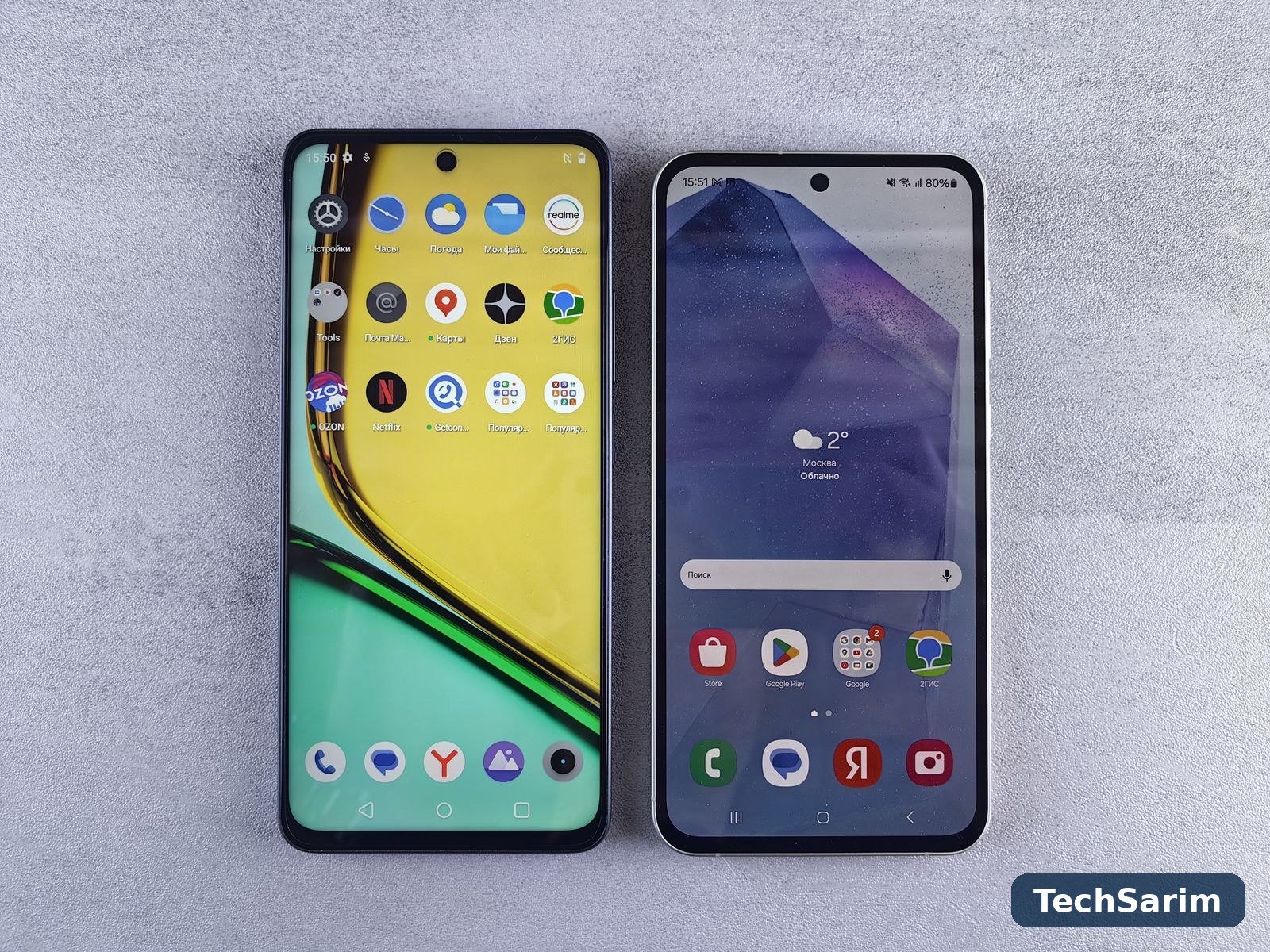

Every year, millions of people type “Android vs iPhone” into a search box, and almost every answer they get was written by someone with a team. Android sites discover that Android wins. Apple sites discover that the iPhone wins. Both are telling a kind of truth — each platform genuinely is better at the things its fans care about — and both are useless if your priorities are not the reviewer’s priorities.
This comparison, part of our Smartphones & Mobile Technology coverage, is written the other way around. There is no winner at the end of it, because there isn’t one. There are ten real differences between the platforms in 2026, an honest winner for each difference depending on how you live, a frank account of what it costs to switch sides, and a set of decision rules at the bottom that will tell you which phone you should buy. Prices are given as typical ranges rather than exact figures, because launch prices, carrier deals and regional taxes move them around — but the shape of the argument doesn’t move at all.
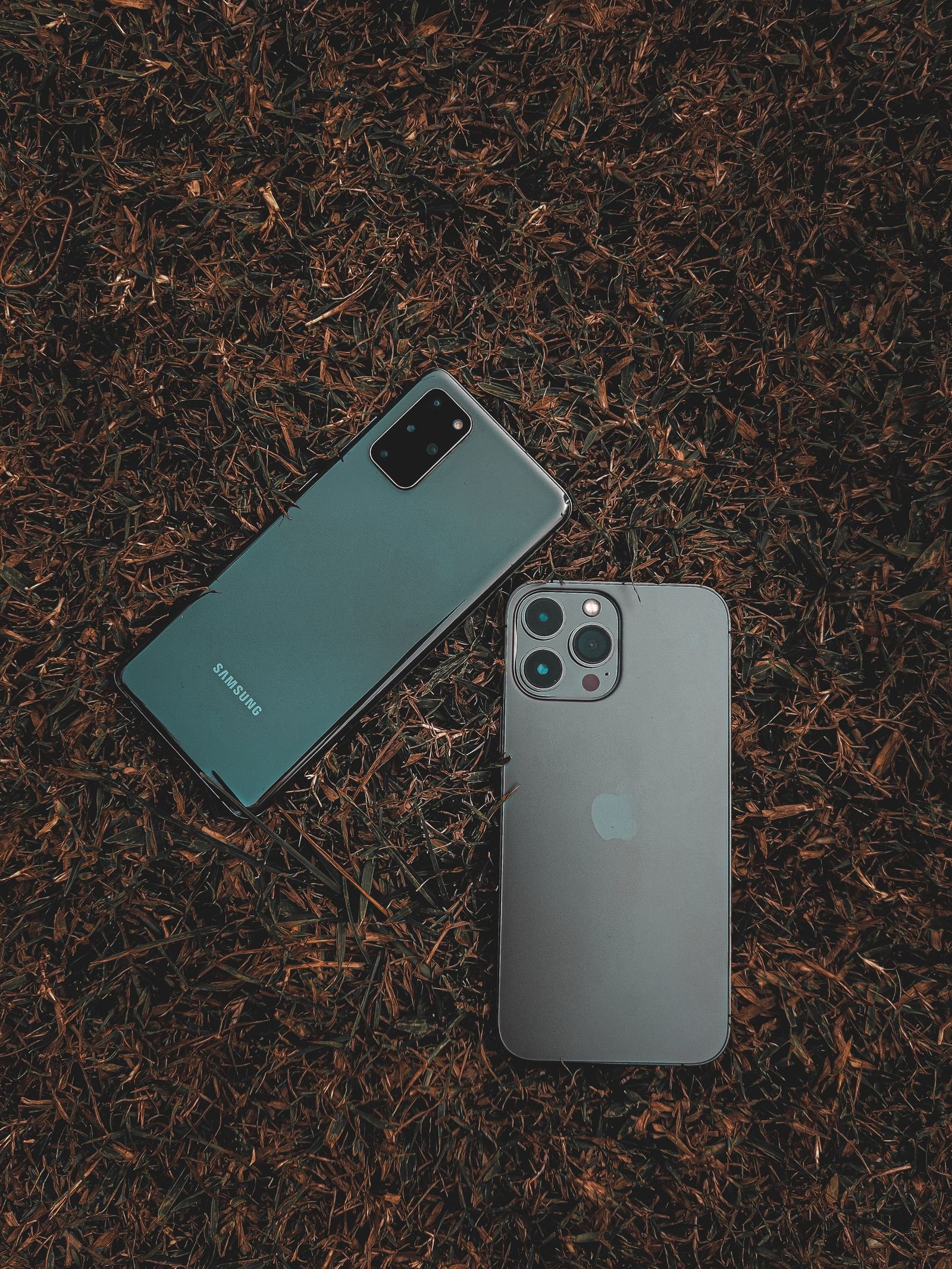
First, the one-sentence summary of each side, because everything below is detail hung on these two hooks. Android is not one phone; it is an operating system made by Google and licensed to dozens of manufacturers — Samsung, Google itself, Xiaomi, Motorola, Nothing, OnePlus and many more — which means choice at every price, fierce competition, and wide variation in quality. The iPhone is one company’s complete product: Apple designs the hardware, the chip, the operating system (iOS) and most of the services, which means consistency, polish and longevity — and exactly as much choice as Apple decides to offer. Freedom versus integration. That trade is the whole story; the sections below are its chapters.
The comparison at a glance
| Dimension | Android | iPhone | Honest edge |
|---|---|---|---|
| Price range | Phones from under $100 to $1,800+ foldables | Typically $599–$1,200+; entry model well above budget tier | Android — a phone exists at every budget |
| Hardware choice | Dozens of brands, sizes, foldables, stylus phones | A handful of models, two sizes, take it or leave it | Android |
| Customisation | Launchers, widgets, default apps, deep theming | Improved, but Apple sets the boundaries | Android |
| Updates | 7 years on Pixel/flagship Galaxy; 2–4 years on many budget models | Roughly 5–7 years, same day for every supported model | iPhone, narrowly — the gap has closed at the top |
| App stores | Play Store plus sideloading and alternative stores | App Store only (alternative stores in the EU) | Split: freedom vs curation |
| Messaging | RCS now standard; WhatsApp dominates outside the US | iMessage is superb — inside Apple’s walls | Depends entirely on your country and circle |
| File handling | Real file system, drag-and-drop USB transfer | AirDrop is magic between Apple devices; files app is clunkier | Android for openness, iPhone within its ecosystem |
| AI features | Gemini deeply integrated; features vary by brand | Apple Intelligence, more cautious, more on-device | Android today, honestly closer than the ads suggest |
| Resale value | Flagships hold value decently; budget phones don’t | Consistently the strongest resale in the industry | iPhone |
| Repairability | Varies wildly by brand; improving under regulation | Improving, parts pairing still a friction; huge service network | Roughly even, brand-dependent on Android |
Price and choice: the difference that decides for most people
Start with the only dimension where one side simply wins outright. You can buy a new Android phone for under $100, a genuinely good one for $200–$300, a near-flagship for $500, a flagship for $800–$1,000, or a folding phone for more than most laptops. The iPhone line, by contrast, typically starts around $599 for the current entry model (with an occasional cheaper “e” model in the rotation) and climbs past $1,200 for the largest Pro. There is no new iPhone at $250. There never will be.
This matters beyond the sticker. Competition among Android makers is why fast charging, high-refresh screens and big batteries trickled down to cheap phones years before Apple adopted some of them, and it is why our guide to the best budget smartphones of 2026 is an Android-only list in practice: at sensible money, Android isn’t the compromise, it’s the market. The iPhone’s defence is equally real, though — a narrow range means every model gets years of attention, accessories fit predictably, and nobody buys an iPhone and discovers they accidentally picked the bad one. Android’s freedom includes the freedom to buy a phone with two years of updates and a screen you can’t read outdoors. Choice is a feature and a chore at the same time.
Winner: Android, decisively, if budget or variety matters. The iPhone if you’d rather a short menu where everything on it is good.
Customisation and control
Android lets you rearrange the furniture; iOS lets you choose from the showroom. On Android you can replace the launcher (the entire home-screen experience), set any browser, messaging app or assistant as the true default, install apps from outside the Play Store, automate the phone with tools like Tasker, and — on many models — dig into settings Apple doesn’t expose at all. iOS has genuinely improved: widgets, lock-screen customisation, an app library and more default-app choices than it used to allow. But the boundaries are Apple’s, and when you hit one, that is the end of the discussion.
The honest counterweight: almost nobody customises. The overwhelming majority of Android owners use the launcher, icons and defaults their phone shipped with, which means Android’s signature advantage is, for most people, a theoretical one. What is not theoretical is the range of hardware forms the open model produces — foldables, phones with styluses, rugged phones, gaming phones with shoulder triggers — because a platform with dozens of makers experiments in public. The Android operating system article on Wikipedia traces how that openness evolved from a scrappy alternative into the world’s most-used OS; the short version is that Google traded control for reach, and the reach is why “Android” means a hundred different phones and “iPhone” means one.
Winner: Android, if you will actually use the freedom — tinkerers, power users, people with strong opinions about their home screen. A draw for everyone else.
Updates and longevity
This used to be the iPhone’s knockout punch, and it is now a points decision. Apple’s model remains the cleanest: a new iOS version arrives on the same day for every supported iPhone, and support typically runs five to seven years — the iPhone line’s history is basically a case study in squeezing long life out of hardware Apple controls end to end. If you buy an iPhone, you will never wonder whether your update is coming. It is coming, on day one, for years.
Android’s answer arrived late but real: Google’s Pixel line and Samsung’s flagship Galaxy line now promise around seven years of OS and security updates, matching or exceeding Apple’s typical window. The catch is the word “flagship.” Drop down the Android price ladder and promises shrink — four or five years at the better mid-range brands, two or three at the worst, and budget phones from minor brands may effectively be abandoned at purchase. Security patches, which matter more than new features, are similarly uneven below the top tier.
Battery longevity deserves a mention here too: both platforms now offer charging limits and battery-health reporting, and a battery replacement a few years in — typically a modest cost at an official service point — is the single best money you can spend on either platform.
Winner: iPhone, still, for certainty across the whole range. At the flagship level (Pixel, Galaxy S), it’s now genuinely even — which is exactly why the update promise of the specific model matters more than the logo on it.

Apps and the stores that sell them
Both platforms have the apps. The era when a major service launched iPhone-first and Android-eventually has largely passed; the top few hundred apps are functionally identical, and anything you actually depend on — banking, messaging, maps, streaming — exists properly on both. The differences live at the edges, and they cut both ways.
Apple’s App Store is the only shop (with alternative marketplaces permitted in the EU under regulation), tightly reviewed, and its strictness is genuinely double-edged: fewer scams and clone apps slip through, subscriptions are easy to see and cancel in one place — and Apple decides what may exist, which has historically meant no game-streaming apps, no emulators (only recently relaxed), and no adult or politically inconvenient content, full stop. Google’s Play Store is looser, and Android additionally allows sideloading and third-party stores like F-Droid, which is how you get open-source apps, older versions and entire categories Apple forbids. The honest price of that freedom: the sideloading route is also how most Android malware arrives. It is a power tool. Used knowingly, it’s a feature; used carelessly, it’s the risk Apple eliminated by locking the door.
Winner: a genuine split. Curated safety and subscription hygiene: iPhone. Freedom to install what you want, including software no store carries: Android.
Messaging: the difference that depends on your postcode
In the United States, this section could decide your purchase by itself. iMessage is an excellent messaging service — fast, reliable, full-quality photos and video, reactions, typing indicators — and it only works between Apple devices. An American whose entire family and friend group is on iPhones will feel real social friction on Android, and pretending otherwise is fan fiction. The historic insult — grainy, compressed videos between iPhone and Android — has been substantially fixed by Apple’s adoption of RCS, which modern Android phones also use, so cross-platform chats are now far better than their reputation. But iMessage-only features, group-chat dynamics and, in US schools especially, the blue-bubble social tax remain real.
Outside the US, this whole section evaporates. Most of the world messages on WhatsApp, Telegram or Signal, which are identical on both platforms, and iMessage is a rounding error. If that’s you, strike messaging from your decision entirely.
Winner: iPhone in an iPhone-dominant circle in North America. Irrelevant in most of the rest of the world.
Files, cables and living with a computer
Plug an Android phone into a computer and it behaves like what it is: a storage device. Files move by drag and drop, the file system is a real one you can browse, and downloads land in folders you control. The iPhone has improved — the Files app exists, and USB-C (now standard across both platforms, one of the decade’s quiet mercies) ended the cable drawer apartheid — but iOS still treats file management as something to be gently discouraged, steering you toward app silos and iCloud.
Within Apple’s own garden, though, the walls become bridges. AirDrop sends full-quality files between iPhone, iPad and Mac instantly with no setup; Handoff and the universal clipboard make an Apple-only desk feel like one machine. Android’s equivalents (Quick Share, including to Windows) are good and improving, but they depend on which brands you own. This is the ecosystem argument in miniature, and it is the strongest non-bubble argument for the iPhone: the more Apple devices around it, the better it gets. The same is true, to a lesser and more fragmented degree, for Samsung’s or Google’s ecosystems on Android.
Winner: Android for open file handling and any-computer friendliness. iPhone if your laptop and tablet already have Apple logos.
AI features: closer than the marketing war suggests
Both platforms now ship a flagship AI assistant strategy: Google’s Gemini is woven through Android — summarising, drafting, answering questions about what’s on your screen — with the deepest integration on Pixel phones, while Samsung layers its own Galaxy AI features on top. Apple’s Apple Intelligence takes a more cautious route, leaning on on-device processing for privacy, and its rollout has been slower and more uneven. Judged purely on what the built-in assistant can do today, Gemini’s side is ahead, particularly on Android flagships.
Here is what both companies’ keynotes omit: the AI most people actually use — ChatGPT, Claude, Gemini as an app, AI features inside the apps they already open — is available on both platforms, in nearly identical form. If you learn the prompting method in our guide on how to use ChatGPT, your phone’s logo will have almost nothing to do with how smart your phone feels. Buy on other criteria; the AI will follow you either way.
Winner: Android, modestly, for built-in AI today — with the caveat that this is the fastest-moving and least decisive category in the comparison.
Cameras, briefly and honestly
This article won’t relitigate our full guide to the best phones for photography, but the platform-level truth is simple: at flagship level, both sides shoot superbly and the differences are about look — Apple’s consistency and video leadership, Pixel’s computational stills, Galaxy’s zoom reach — not about one embarrassing the other. Android owns the extremes: camera bargains like the Pixel a-series at the bottom, and zoom and experimental hardware at the top. iPhone owns video, full stop, and the most consistent colour across lenses. For social media, note one legacy difference that still lingers: some apps, Instagram historically among them, have rendered Android uploads worse than iPhone ones; it has narrowed a lot, but creators who publish professionally still lean iPhone partly for this reason.
Winner: your subjects decide. Video and social-first: iPhone. Stills value and zoom: Android flagships and the Pixel a.
Resale value and repairability
iPhones hold value like no Android phone does. A two- or three-year-old iPhone typically sells for a strikingly high share of its original price, thanks to long software support, brand demand and a deep second-hand market. Android flagships from Samsung and Google depreciate faster but respectably; budget Android phones are effectively worthless second-hand — which, flipped around, makes them the smartest used buys in the industry if you check the remaining update window.
Repairability is converging under regulatory pressure. Screens and batteries on both platforms are serviceable at authorised networks; Apple has loosened some parts restrictions while still drawing criticism for parts pairing, and Android varies by brand from excellent (a few makers design for repair) to glued-shut. Apple’s advantage is infrastructure: in most cities, an official iPhone repair is same-day. Independent repair of popular Android models is cheaper in much of the world, where authorised Apple service is scarce or absent.
Winner: resale, iPhone, clearly. Repairability, a wash that depends on your model and your city.
Switching sides: the honest bill
Switching is easier than either company wants you to believe and more annoying than switchers’ guides admit. Both platforms offer official transfer tools (Move to iOS, and Android’s Switch app), and the core of your digital life crosses over fine: contacts, photos (budget real time if your library is huge), calendars, email, and any service that lives in the cloud — WhatsApp now officially supports chat transfer in both directions, which removed the single biggest lock-in of the last decade.
What you genuinely lose, itemised:
- iMessage, if you leave iPhone — your number must be deregistered or messages from iPhone friends can vanish into the void, and you become the green bubble in US group chats.
- Paid apps and in-app purchases do not transfer. Your licences belong to the store you bought them from. A heavy paid-app library is a real switching cost, typically the largest one after accessories.
- Accessories strand. Apple Watch does not work with Android at all — leaving iPhone can orphan a watch on your wrist. AirPods work as ordinary Bluetooth earbuds but lose their smart features. Android-side, brand-specific extras (Galaxy Watch features tied to Samsung phones, for example) partially strand the other way.
- Muscle memory and small things: settings layouts, gesture habits, the password keychain (exportable, but fiddly), game saves in titles without cloud accounts, and every “Sign in with Apple” account you forgot you created.
What you do not lose: your photos if they’re cloud-backed, your music and streaming (account-based), your documents, your bank, your social accounts. The realistic budget for switching is a weekend of setup, a possible accessory rebuy, and re-purchasing a handful of apps — real friction, priced in tens or low hundreds of dollars for most people, not the life sentence either fanbase describes.
Who should buy which: five honest profiles
The budget buyer. Android, and it isn’t close. The $150–$350 band contains excellent Android phones with long update promises from Samsung, Google and Motorola, and no new iPhone plays there at all. Your only Apple route is refurbished — viable, but check remaining update years.
The photographer. Split by medium. Video-first creators and anyone who wants identical colour across every lens: iPhone Pro class. Stills-first shooters and zoom lovers: a Pixel Pro or Galaxy Ultra; value-first: the Pixel a-series embarrasses everything near its price.
The tinkerer. Android, obviously — launchers, defaults, sideloading, automation, foldables, choice of genuinely different hardware. The iPhone will feel like a beautiful hotel: everything works, nothing is yours to rearrange.
The family-ecosystem buyer. If your household runs Macs, iPads and grandparents on iPhones, the shared photo libraries, Find My, Family Sharing and iMessage web is a real, compounding convenience — buy the iPhone and enjoy being inside the wall you already live in. A mixed or Windows/Android household loses nothing by choosing either.
The long-term keeper. Either flagship — a current iPhone, Pixel or Galaxy S — with confidence, because all three now promise update windows long enough that the battery will age out first. The platform matters far less than the tier: the keeper’s mistake is buying cheap on either side, not buying the wrong logo.
Myths, corrected on both sides
“iPhones don’t get viruses; Android is unsafe.” Both halves are exaggerations. iOS’s locked model makes malware rare — not mythical; spyware targets iPhones precisely because important people use them. Android bought from the Play Store with updates flowing is safe for ordinary users; the risk concentrates in sideloading from dubious sources. Your behaviour matters more than your platform.
“Android phones are all cheap and laggy.” A $150 Android and a $1,200 Android share an operating system the way a hatchback and a sports car share the concept of wheels. Flagship Androids are as fast and fluid as any iPhone; judge the model, not the logo.
“iPhones are just overpriced fashion.” The resale values above are market evidence against pure fashion pricing: iPhones cost more partly because they remain worth more, supported longer, and serviceable everywhere. You can dispute the premium’s size; the total cost of ownership is closer than the sticker gap suggests.
“Switching means losing everything.” Covered above: the cloud era quietly demolished the moat. What remains is friction, not captivity.
“More RAM / megapixels / hertz means the other side is better.” Cross-platform spec comparisons mislead twice over — iOS and Android manage memory differently, camera sensors differ more by size and processing than pixel counts, and both platforms’ flagships are fast enough that benchmarks stopped deciding real-world feel years ago.
Frequently asked questions
Which is more secure in 2026?
For a non-technical user who installs from the official store and accepts updates, both are strong; the iPhone edges it because its locked model removes whole categories of user error. Android’s openness shifts some responsibility to you — fine if you accept it knowingly.
Which lasts longer, really?
Tie at the top: current iPhones, Pixels and Galaxy flagships all carry support windows in the five-to-seven-year range, and a battery swap midway makes any of them a six-year phone. Below flagship tier, iPhone (including older models still sold new) beats most budget Androids on support length.
Can I use an Apple Watch or AirPods with Android?
AirPods, yes, as plain Bluetooth earbuds with reduced features. Apple Watch, no — it requires an iPhone. Plan accessory switches as part of the platform switch.
Will my apps and photos move if I switch?
Photos, contacts, calendars and cloud data: yes, with official tools. WhatsApp chats: yes, both directions, officially. Paid apps and their in-app purchases: no — budget to rebuy the few you truly use.
Which is better for gaming?
Both flagships run every major title excellently; iPhones have historically gotten some games first and offer very consistent performance, while Android offers gaming-specific hardware, emulator access and wider controller tinkering. Casual players will never feel a difference.
Is the green-bubble thing still real?
In the US, socially, somewhat — though RCS fixed the worst functional problems (blurry media, broken group chats). Elsewhere, WhatsApp long ago made it moot.
The bottom line
Forget the tribal scoreboard; here are the decision rules this whole comparison reduces to. Buy Android if your budget is under roughly $400, if you like choosing your hardware and arranging your software, if you live in WhatsApp country, work with files and Windows PCs, or want the longest zoom and the strangest form factors the industry invents. Buy an iPhone if your people are on iMessage, your desk is already Apple, you keep phones for five-plus years and want updates to be a non-event, you shoot video seriously, or you value resale and walk-in service above configuration. Either way, buy the tier with the long update promise, because in 2026 longevity — not the logo — is what separates a phone that serves you for years from an expensive two-year rental. The honest secret both brand teams know: at the top of the market, there are no bad phones left in this fight. There is only the phone that fits your life — and now you know which questions decide it.
[…] is real but simple: the game libraries and controller support are excellent on both sides, and the Android vs iPhone differences that matter for gaming are mostly about price spread and specific titles rather than […]
[…] things: the drain pattern differs surprisingly between platforms and brands, which is why our Android vs iPhone comparison treats battery behaviour as a real-world category of its own rather than a spec-sheet […]
[…] are switching sides, or deciding for the first time, work through that question separately — our Android vs iPhone comparison covers what actually changes and what it costs to move, because the platform decision […]